

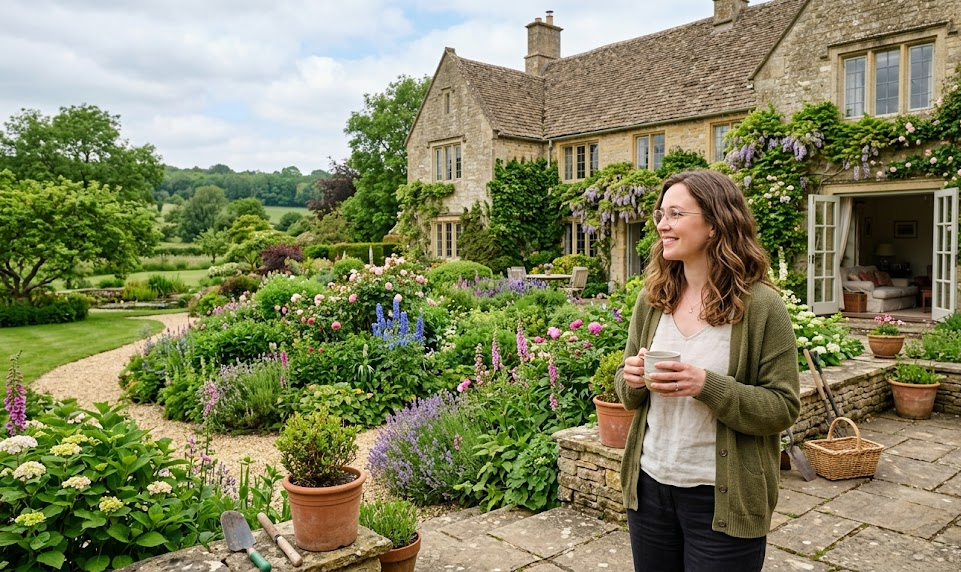
A manor without a well-designed garden is like a beautiful painting without a frame. The grounds around a historic property tell a narrative. If that narrative does not match the architecture, it creates an obvious imbalance.
Homeowners often invest majorly in interior restoration, yet the surrounding landscape is frequently overlooked. A mismatched shed, a poorly placed path, or even a garden structure that doesn’t fit with the period style can instantly spoil the effort put into the indoors.
According to the Royal Horticulture Society, well-kept gardens add £38 billion to the UK economy and are seen as important parts of our living and heritage spaces. To maintain a heritage estate, you need to look at the big picture. The transition from stone walls to green spaces should feel planned and not accidental.
At The Abbey Manor, we are passionate about keeping the beauty of period properties. Our dedicated team combines traditional techniques with modern expertise to ensure every restoration project highlights the unique character of each home while enhancing its overall charm.
The Architectural Cost of the Wrong Garden Design
Choosing the wrong elements for your garden is a common error for historic properties. For example, placing a flat-roofed modern shed next to a Georgian house or a standard summerhouse that doesn’t match the main house creates visual clutter. This affects not only appearance but also value.
A 2026 report from The Intermediary found that searches for Georgian, Victorian, and Edwardian homes increased by 30% year over year. In just three months, this rise was even more dramatic, at 60%.
People who buy old or historic homes have high expectations. They want every part of the property, including the garden and pathways, to be of good quality. If something in the garden, such as a structure or pathway, looks mismatched or poorly made, it can raise concerns about the home’s overall condition.
A Three-Step Site Assessment Checklist
Before you place any outbuilding on a period estate, follow these simple steps:
Step 1: Check the Ground Level
The site should be level or easily levelled without major digging. A solid, flat base helps protect the structure and prevents it from shifting.
Step 2: Consider Sun Orientation
A summer house works best when it gets afternoon and evening light. A workshop must have consistent natural light during the day, ideally facing north or east to reduce glare.
Step 3: Plan for Delivery Access
Large timber structures are delivered in sections and need clear vehicle access. Narrow gates or low branches can make delivery difficult and raise costs. Verify access routes before deciding on placement.
Practical Methods to Create a Seamless Transition
To create a smooth connection from the back door to the garden, follow a clear plan. Use pavers, timber, and plants together to respect your home’s heritage. Here’s how to create a seamless transition from house to garden:
1. Select Era-Appropriate Materials
To make your garden blend well with the estate, choose materials that match the house. Timber is a good option, but you need to pick high-quality wood. Oak is commonly used in older buildings because of its distinctive texture, weight, and warmth.
A summer house or workshop made from green oak will naturally age to a silver-grey color that complements old stone or brick.
For pathways, avoid poured concrete. Yorkstone is a great choice for older properties; its warm buff and grey colors look good as they age. Another option is reclaimed brick, which can be laid in a herringbone or running bond pattern. This connects the garden to the larger estate, especially for homes with red or orange brickwork.
2. Align Architectural Details
The Outdoor Room concept works best when the garden structures match the house’s shape. The roof of any new building should have the same slope as the main house. For example, a steep Georgian house does not look right next to a low-pitched-roofed building. Using a gable roof with the same pitch as the main house creates a visual link.
It’s also important to pay attention to windows. An outbuilding should have windows that resemble those of the main house, like Georgian bars, leaded lights, or simple square panes.
To achieve a seamless transition, it is mostly necessary to work with a specialist that offers custom dimensions. For example, a workshop or summer house from Elfords can be tailored to match the specific roof pitch or window style of a manor house, ensuring the new addition feels like a natural extension of the original estate.
3. Soften the Transition with Planting
The final step is to use plants to “weave” the structures into the landscape. Planting softens harsh lines and connects buildings to their surroundings. Wisteria on a summer house adds fragrance and beauty in late spring, while jasmine around doorways creates a welcoming entrance.
However, make sure to balance practicality and aesthetics: avoid planting too close to the base of timber structures to allow for airflow.
For clearer guidance on planting and training wisteria against garden structures, explore this wisteria-growing guide, which covers support, pruning, and positioning.
Conclusion
A good connection between a manor and its garden requires careful planning. Every detail, like the shape of the roof and the type of paving stones, should match the style of the house. When you view your garden as an extension of your home’s architecture, it becomes an important part of the estate.If you need advice on restoring or expanding period properties in the South East, you can contact our team. We can help you make the best decisions for your home and its future.

